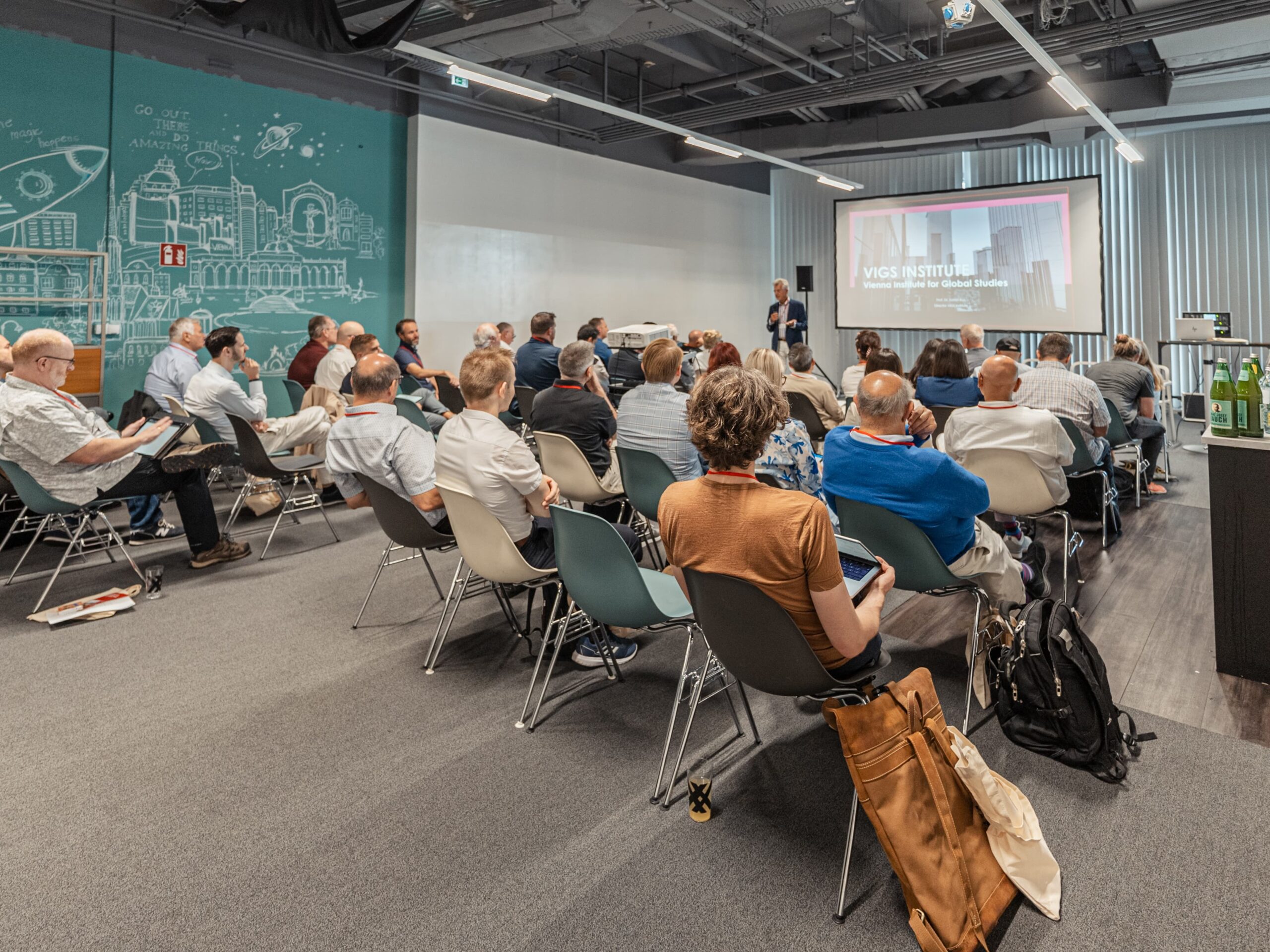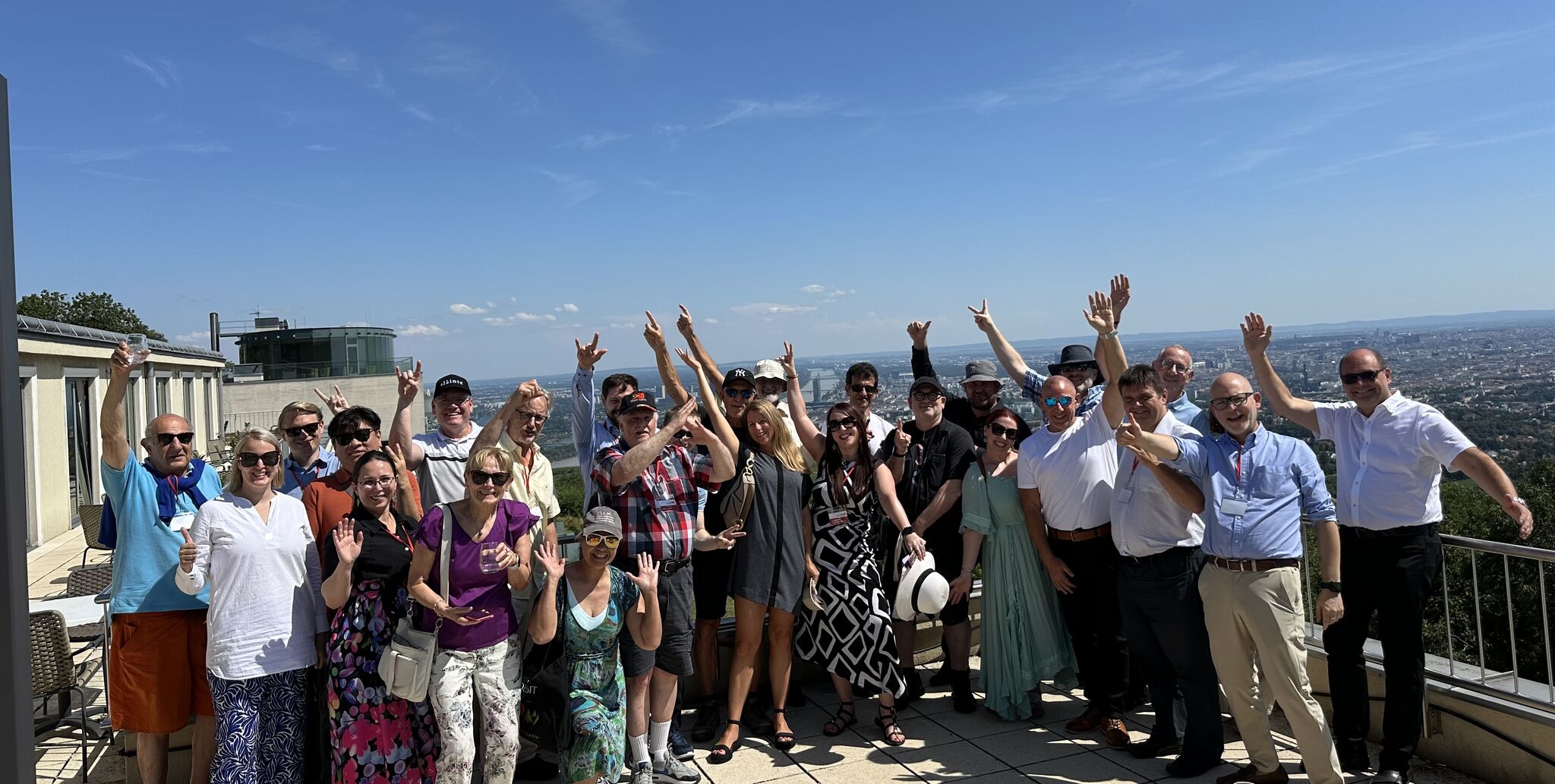
Vienna Institute for Global Studies (VIGS) hosted the panel discussion “When Will the Lights Go Out in Europe?”, bringing together experts from the fields of energy, infrastructure, investment, technology, and public policy to examine the future of Europe’s energy system.
The discussion focused on a central question: how can Europe secure affordable, reliable, and competitive energy in a period shaped by geopolitical uncertainty, rising industrial demand, technological transformation, and the need to decarbonise?
Moderated by Eleonora Neri, the panel explored five possible scenarios for Europe’s energy future, including renewed dependence on external suppliers, a larger role for nuclear energy, the rapid expansion of renewables, continued reliance on imported liquefied natural gas, and the risks of acting too slowly.
A major theme throughout the discussion was the growing connection between energy policy and economic competitiveness. Panellists highlighted that high industrial electricity prices are influencing where energy-intensive industries, advanced manufacturing facilities, and AI data centres choose to locate. Europe’s energy challenge is therefore not only about security of supply, but also about maintaining industrial capacity, attracting investment, and protecting long-term economic sovereignty.
The panel also examined the role of nuclear energy. Speakers discussed the importance of extending the operational life of existing nuclear power plants where technically and economically viable, as well as the potential contribution of new nuclear technologies. At the same time, they stressed that investment certainty, stable policy frameworks, skilled workforces, and more efficient project delivery will be essential if nuclear energy is to play a larger role in Europe’s future energy mix.
Renewable energy was identified as another critical part of the solution. Solar and wind can be deployed quickly and at scale, but the discussion emphasised that renewables must be supported by storage, stronger electricity grids, flexible capacity, and improved system management. The panel noted that energy generation and grid resilience must advance together if Europe is to integrate larger shares of variable renewable power without compromising reliability.
Panelists also addressed the role of capital and infrastructure. Long-term energy sovereignty, they argued, requires cooperation between public institutions, private investors, industry, and national governments. Clear regulation, cross-border coordination, access to finance, and faster permitting and delivery processes will all be necessary to turn energy strategies into operational infrastructure.
The discussion concluded that Europe does not lack technology, expertise, or investment potential. The main challenge is execution. A successful energy strategy will require a balanced portfolio of technologies, long-term policy consistency, and a stronger capacity to deliver projects at the speed and scale required.